
Decorative Patterns
Making the World More Vibrant!
Unlimited Possibilities
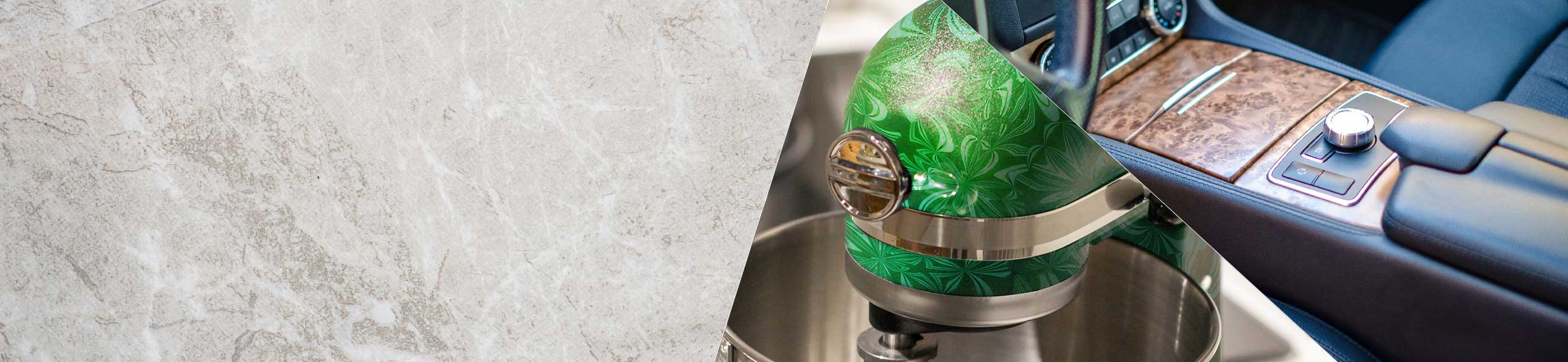
Our Final Finish® process allows you to completely customize almost any product or surface you can imagine. From automotive and sporting goods, home furnishings and phone accessories to something as ordinary as a light switch. Learn more about our hydro dipping process, Final Finish®.
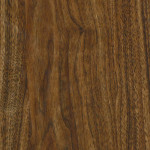
Wood
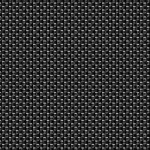
Carbon
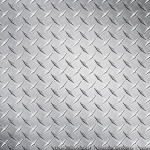
Metal
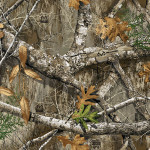
Camo
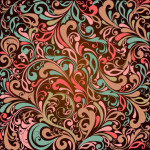
Designer
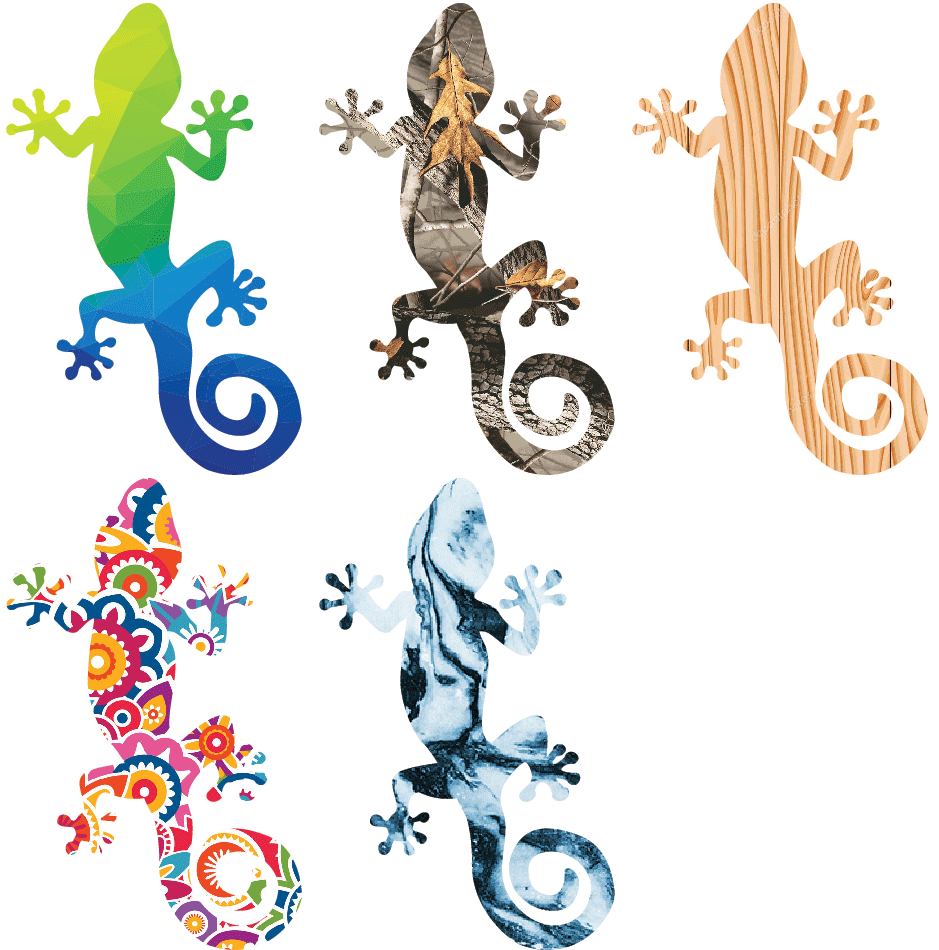
Final Finish®
The Golden Standard Of Design
Take your products from basic to bold with our Final Finish® process. In every business, you have to find your competitive edge, and with Immersion Graphics, we can help you do just that. Final Finish® allows us to print the latest, most popular patterns on just about any surface.
We have worked with industry leaders and OEM’s from around the world. Whether you need to create your own proprietary designs or choose one that best fits your application.

Quality That Lasts
Our Final Finish® process allows you to define the necessary steps for achieving a quality decoration. We will work with you to ensure physical property requirements are met.

Make a Statement
Product differentiation is imperative for success in today’s market. The Final Finish® process is a cost effective process which allows you to achieve this objective.

Our Processors
Immersion Graphics has several quality processors located around the globe. Contact us to identify the best processor for your project(s).

TEST THE WATERS
Take a deep dive with us to learn more about hydrographics.